![[Translate to Suomi:]](/files/pics/7/2/csm_Mouse__860x586px_4295e63b71.jpg "[Translate to Suomi:]")
![[Translate to Suomi:] Ratten](/files/pics/0/9/csm_Rat__860x586px_e3e988d139.jpg "[Translate to Suomi:] Ratten")
![[Translate to Suomi:] Maulwurf](/files/pics/2/e/csm_Mole__860x586px_d43e7e8948.jpg "[Translate to Suomi:] Maulwurf")
![[Translate to Suomi:] Marder](/files/pics/d/6/csm_Marten__860x586px_7508da5714.jpg "[Translate to Suomi:] Marder")
![[Translate to Suomi:] Fliege](/files/pics/a/d/csm_Fly__860x586px_66c70bb32f.jpg "[Translate to Suomi:] Fliege")
![[Translate to Suomi:] indian-meal moth on oatmeal](/files/pics/b/6/csm_indian-meal-moth-on-oatmeal_low_659108f917.jpg "[Translate to Suomi:] indian-meal moth on oatmeal")
![[Translate to Suomi:] Schnecken](/files/pics/5/f/csm_Slug__860x586px_da4b2d7f83.jpg "[Translate to Suomi:] Schnecken")
![[Translate to Suomi:] Vogel](/files/pics/8/9/csm_Bird__860x586px_273b7ffaf9.jpg "[Translate to Suomi:] Vogel")
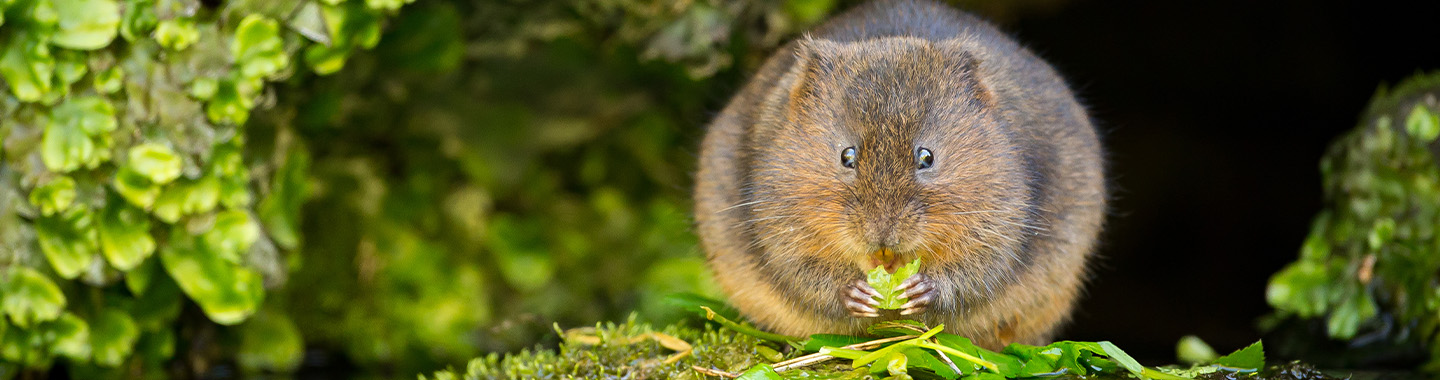
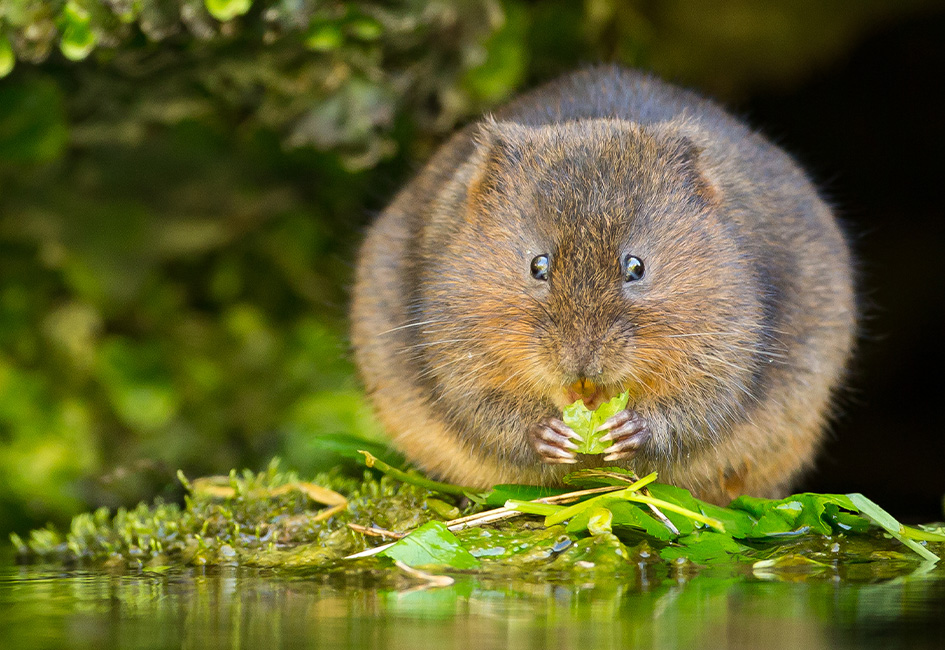
VOLE
Habitat
Voles are widespread from Europe to northern Asia. Typically, they live in places with dense vegetation and like to live near water bodies. They can be found in meadows, bogs, along irrigation and drainage ditches, lakes or canals. Agricultural areas with intensive soil cultivation, such as arable land, are less colonised. Fallow land, grassland, orchards and vegetable gardens are preferred.
Lifestyle / Behaviour
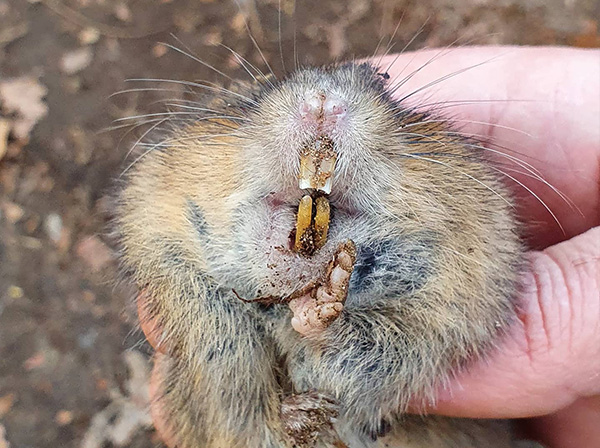
Voles belong to the rodents and feed largely on plants. They are diurnal and nocturnal and do not hibernate. They swim and dive excellently. A skin fold on their mouth allows them to gnaw on roots even under water.
Until recently, it was even thought that there were two different species of voles, a terrestrial form (Arvicola terrestris) and an aquatic form (Arvicola amphibius). In France, for example, the terrestrial vole is not protected, but the aquatic vole is. Based on genetic studies, however, it is now certain that there is only one species of vole.
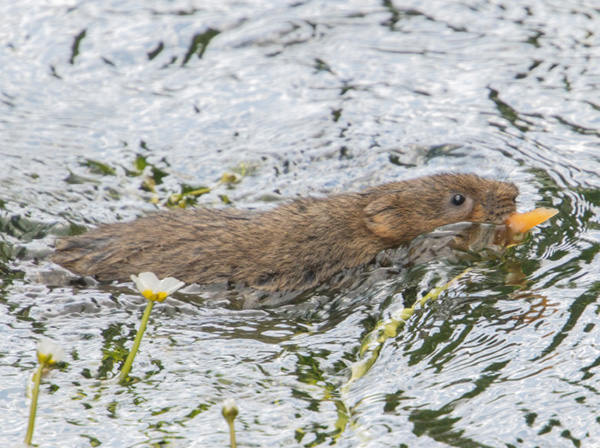
Voles are good swimmers
Voles live most of the time underground in their burrow system and rarely leave the burrow. They prefer to build their tunnels in light to medium-heavy soils, which should be cool and moist. The tunnel system of the vole is up to 100 cm deep, can be up to 100 m long and covers up to 200 m2 area. The territories of males are larger than those of females and may overlap with territories of several females. The territories are aggressively defended against intruders. In the upper areas the feeding tunnels lead to the food plants, in the lower areas there is a sleeping chamber and storage chambers. In autumn, the vole collects roots and stores food for the winter. The vole's passage system is normally always closed to ward off enemies; there are no open holes except for a few emergency exits (see vole test).
Structure of a Vole’s Residence:
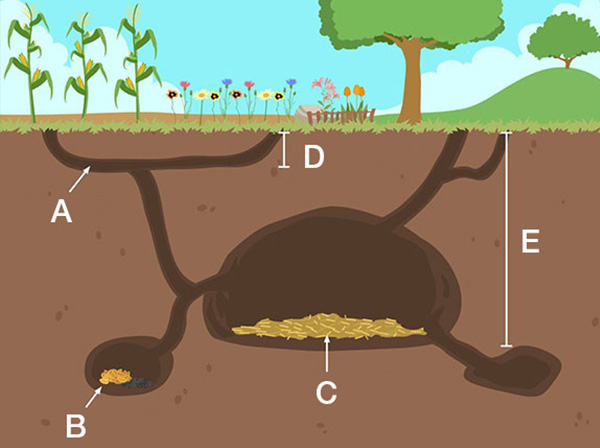
A. Tunnel network
B. Pantry
C. Living area
D. 10-20cm below the ground
E. Approx. 50cm below ground
Voles have glands on their flanks with which they mark the walls of the tunnels. These markings serve both for orientation in the tunnel system and for communication with conspecifics.
Voles are toothed voles. They bite into the soil with their mouths and push it out with their hind paws. This creates flat piles interspersed with root and grass remains. These piles can be easily distinguished from those of the mole. They are flatter and elongated and not as rounded as those of the mole. The soil ejected by the vole is finely crumbly, whereas that of the mole is much coarser. This distinction is important because the mole is protected in some countries.
In the winter months, voles are solitary animals. Only during the mating season do males and females come together and raise their young together. Otherwise they stay out of each other's way.
Natural enemies:
The vole has a large number of natural enemies such as weasels, stoats, cats, martens, foxes, badgers and wild boars. But also birds of prey, owls, snakes and predatory fish hunt voles.
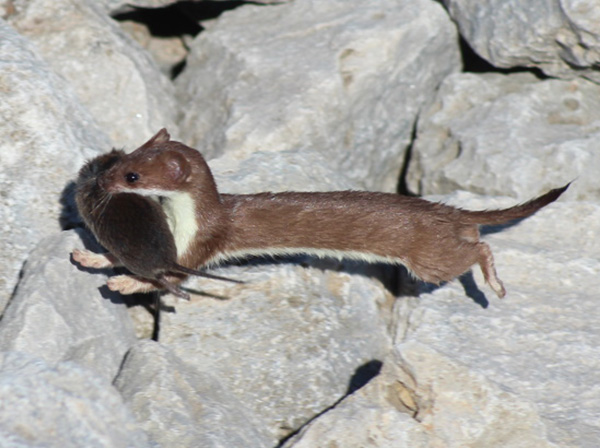
A successful weasel, barely larger than prey
Ernährung
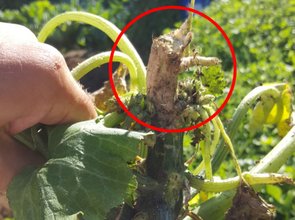
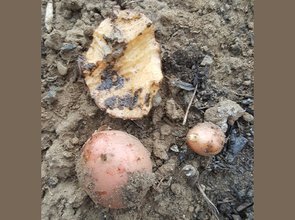
Voles are herbivores that feed mainly on roots, tubers, bulbs and rhizomes, which they find underground. In the process, they often damage crops, such as the roots of fruit trees, potatoes, beets, asparagus, lettuce, hops or vines. They also pull stalks and leaves into their tunnels. Because of their limited diet, they need up to 80 % of their body weight in food per day and can cause considerable damage to gardens and crops through their feeding activity.
Reproduction
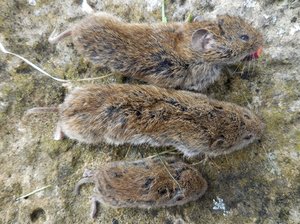
Voles reproduce during the summer months. During this time, they live together in family groups in the female's burrow. The young are raised by both parents together. After about two months, when they are sexually mature, they leave the parental burrow and look for their own territory. The parents also separate again and the males return to their territory. These migrations take place above ground and often on dark rainy nights to escape predation.
Usually, 15 - 30 voles per hectare can be found, in optimal habitats up to 100 individuals per hectare. Reproduction is favoured by e.g. warmth. In addition, mass reproductions with population densities of more than 500 individuals per hectare occur about every 6-8 years.
- Litter size: 2 - 6 young (maximum 10)
- Number of litters: 3 - 4 per year
- Sexual maturity: 2 months
- Gestation period: 20 - 23 days
- Breeding season: April to October
Facts
- Scientific name: Arvicola spec.
- Other names: Water vole, Water rat
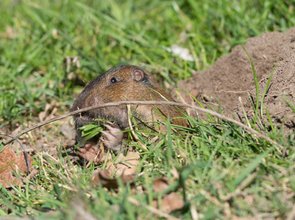
- Colour: Upper side: dark brown to reddish brown, sometimes dark grey, underside light grey or beige; smooth transition from dorsal to ventral colouration, no sharp dividing line.
- Weight: 80-300 g
- Body length: 12.5 cm to 22 cm
- Tail: Half body length, hairy
- Head and ears: Round head, blunt muzzle, small round ears barely protruding from the coat, small eyes, strong orange incisors.
- Lifespan: up to 3.5 years
Manifestations and Damages
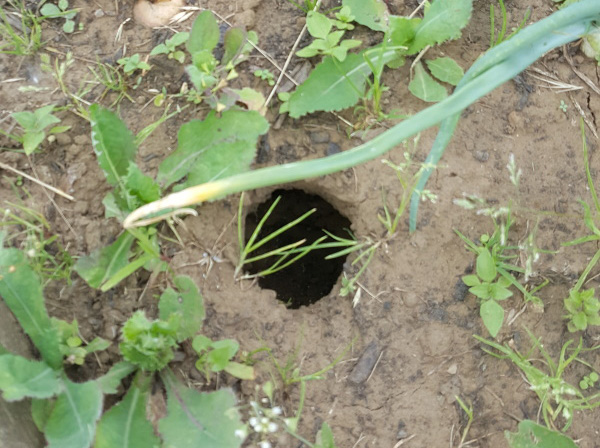
Vole holes are high oval, about 3-5 cm wide and 5-7cm high, cleanly cleaned out and free of plant roots. They can often be recognised by the slightly raised, zigzagging bulges on the surface of the soil.
The exits are located at the side of a larger pile of earth. Small, elongated piles are often found along corridors.
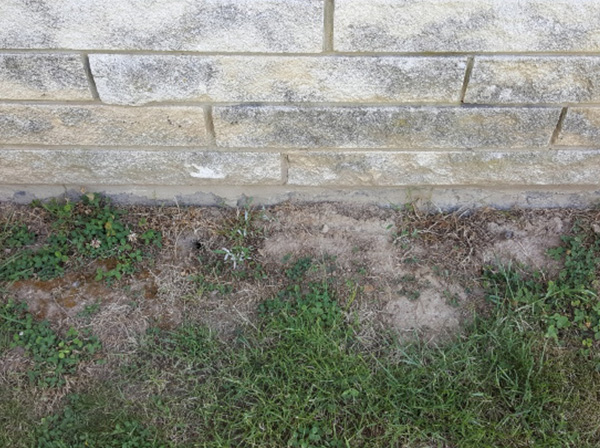
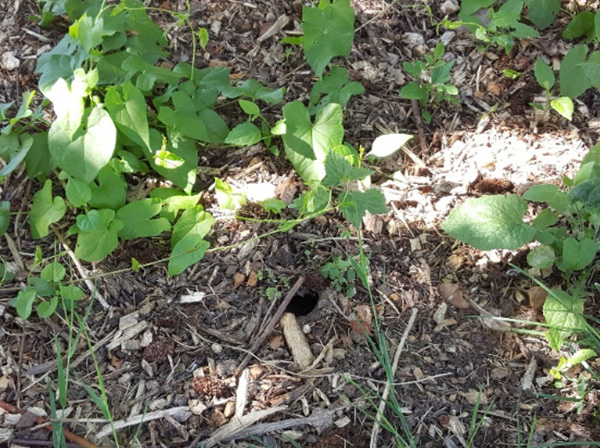
Cluster of low-profile vole clusters; Open worm exit, it is probably an emergency exit.
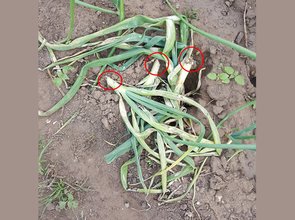
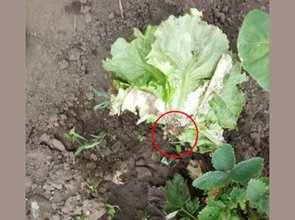
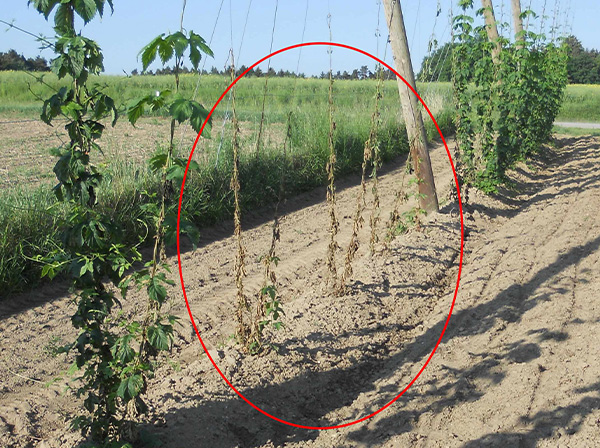
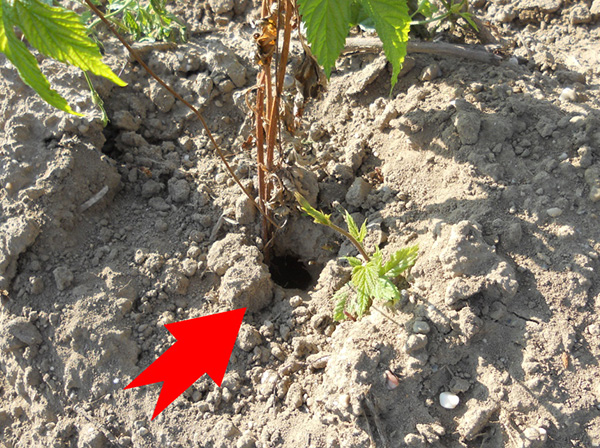
Voles are herbivores and are not welcome by gardeners and farmers. They damage plants directly by eating them, but also indirectly by creating burrows in the root zone. They consume the underground parts such as roots, tubers and bulbs of trees, shrubs, vegetables, flowers and grass. Voles have an enormous food requirement, and in extreme cases can destroy entire crops and cause complete crop failure. Affected plants suddenly wither, fall over or can simply be pulled out of the ground because the roots are eaten away. Root damage can even kill entire trees. Vole tunnels are then found in the immediate vicinity. Small, elongated piles are often found in the course of the tunnels.
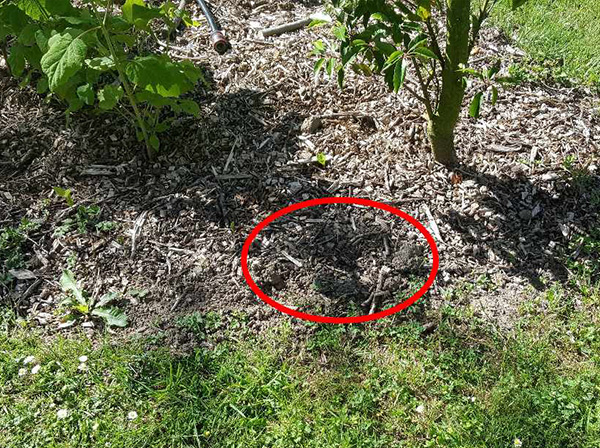
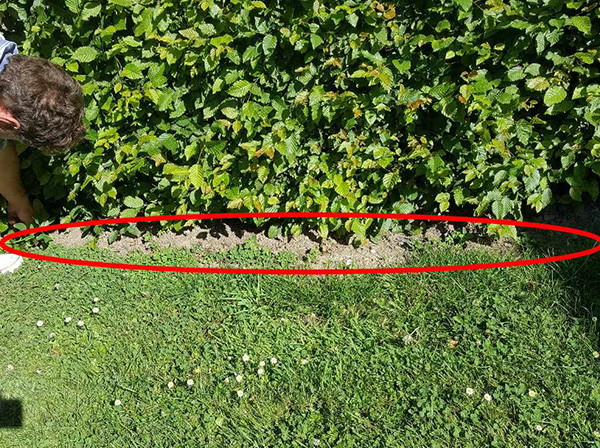
Vole infestation in discounts Infestation under beech hedge
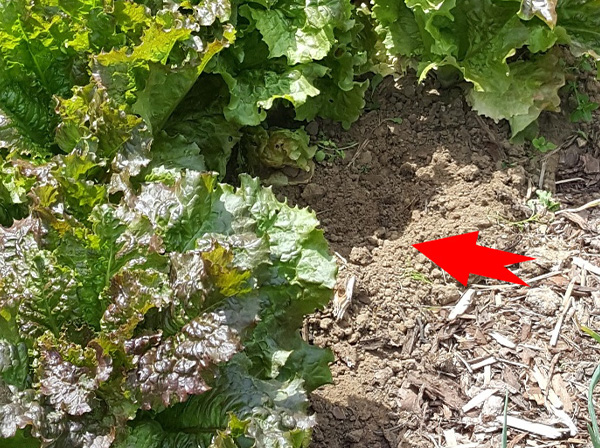
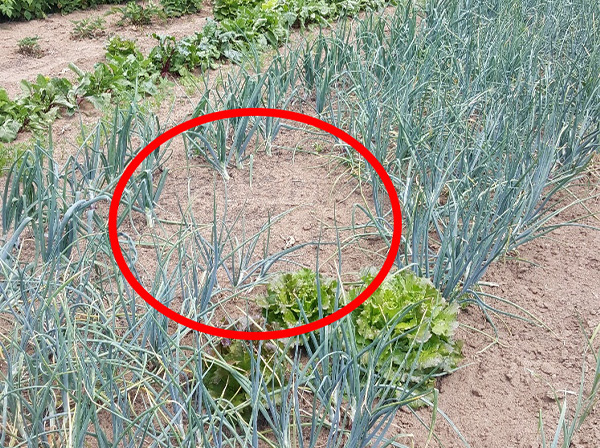
Lettuce plant missing. Heavy losses in onion planting
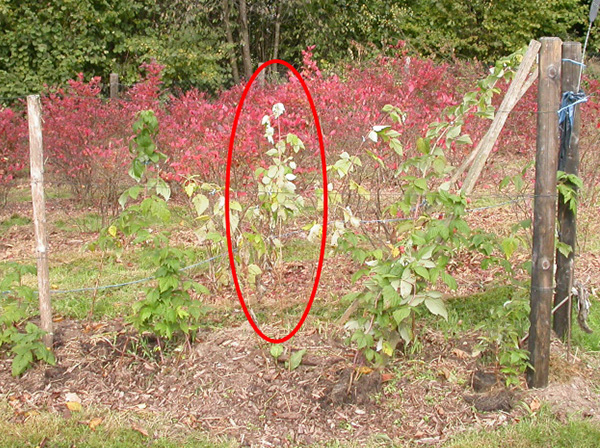
Withering raspberry plant damaged by root damage.
Withering hop plants.
Feeding passages and access in the root area.
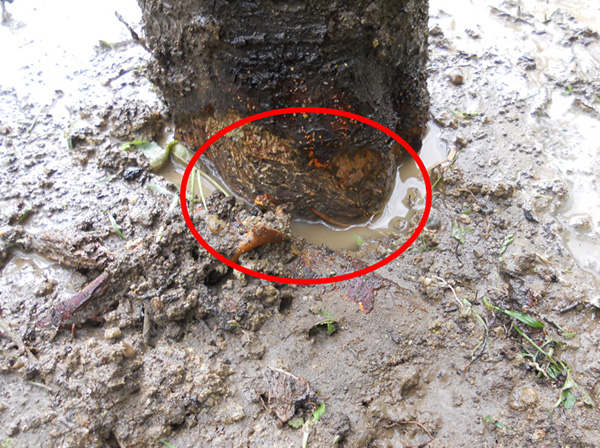
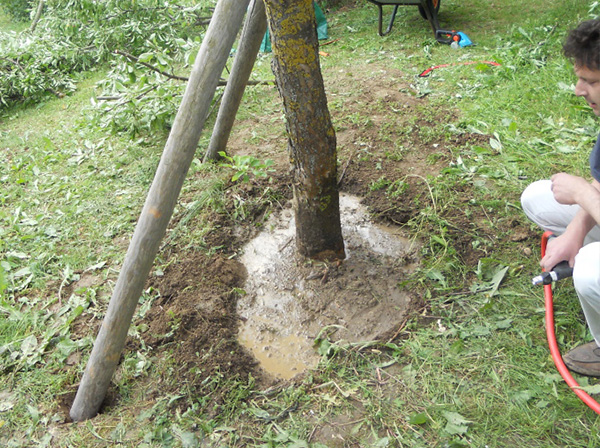
Severe root damage caused this apple tree to fall. The gardener's rescue attempts came too late.
The damage caused by the burrowing activity of voles is comparable to that of the mole, but much less pronounced. When digging their burrows, voles throw up piles of soil that disfigure parks, garden beds and lawns, disturb playgrounds and sports fields and also make mowing difficult.
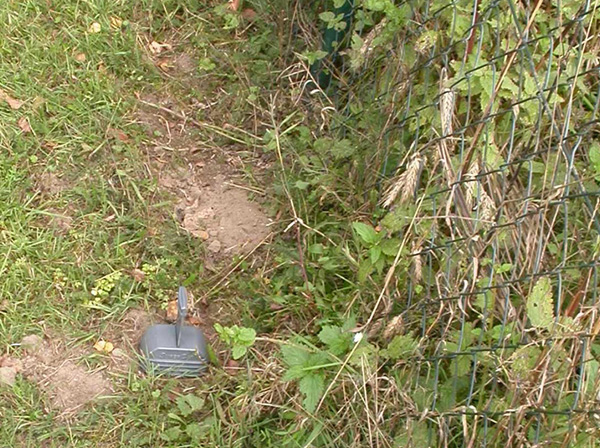
Pile of voles along garden fence
Patches can sag if they are undermined by voles.
The burrowing activity of voles can also cause severe soil erosion and landslides on dams and embankments. In the case of damaged dams, the final consequence can even be flooding. Animals such as the vole that damage dams are considered enemies of the state in the Netherlands and are consistently combated.
Voles are vectors for a number of parasites and pathogens They are often infested with fleas, ticks, mites, lice and tapeworms. In addition, there are serious, possibly fatal infectious diseases such as rabies and Hanta.
Voles are an intermediate host of the fox tapeworm (Echinococcus multiocularis). Humans can become infected both through direct contact with voles and their excreta, but also through contact with domestic animals such as cats or dogs that have eaten infected voles. Infections with fox tapeworm in humans are rare but devastating for those affected. In humans, the tapeworms nest in vital organs such as the liver, lungs or brain. There is no cure; the only way to stop the destruction of the affected organs is to take strong medication for the rest of one's life.
For this reason, gloves should always be worn when trapping and hands and arms should be washed thoroughly after work.
Management and control measures
Protection status: The vole is not protected.
Prevention
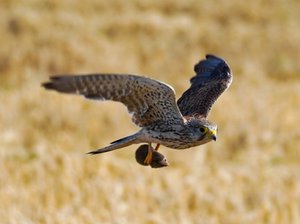
The following tips help to avoid damage caused by voles:
- On agricultural land: install perching crutches and nesting boxes for birds of prey.
- Do not hunt predators such as weasels, stoats, martens and foxes, but encourage them with nest boxes and hiding places.
- Shrubbery, undergrowth and overgrown rains offer voles protection from predators and should be kept as short as possible.
- Before planting trees and shrubs, surround the root balls with a close-meshed wire mesh (approx. 15 mm mesh size). Care should be taken to ensure that the animals cannot reach the roots from above either.
- When creating raised beds, line the bottom with close-meshed wire mesh (approx. 15 mm mesh size) and pull it up at the edges. The mesh must be well fastened to the walls of the raised bed.
- Voles mainly migrate above ground. Fencing with a grid of approx. 15 mm mesh size around a plot or cultivated area is very effective in keeping voles away. The fence must be buried 20-30 cm deep, 40 cm high and kept free of vegetation. Such fencing is also effective against moles and field mice.
- Voles often use tunnel systems of moles. Moles clearly favour the establishment of voles and field mice. Therefore, moles should also be controlled on infested or endangered areas.
Acoustic Repellents
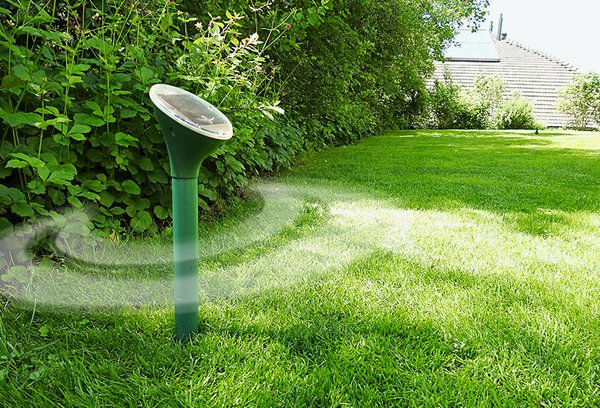
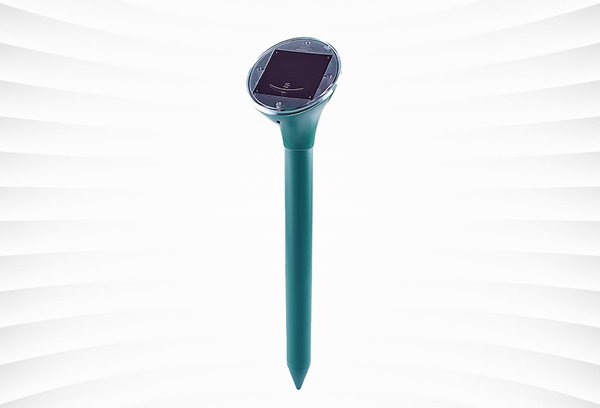
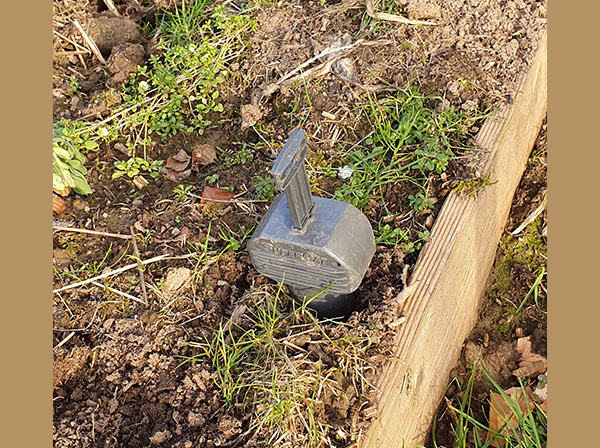
Sound waves and vibrations disturb voles and can drive them away from their territory. Acoustic animal repellers are a wildlife and environmentally friendly way to prevent voles from entering the garden. The waterproof SWISSINNO Solar Mole Repeller has a large range of 650 m². The integrated solar cell, together with the device's rechargeable battery, ensures 24-hour continuous operation. The repeller is effective against both moles and voles.
A 100% guarantee of success cannot be given with this method. It is a gentle procedure. The animals always have the possibility to stay despite the disturbance. Various reasons can lead to a reduced effect: For example, habituation may occur, individuals may have poor hearing or simply do not feel disturbed, or there is no suitable alternative territory. Soil conditions can also play a role. Very light, sandy or dry soils transmit sound poorly.
Trapping
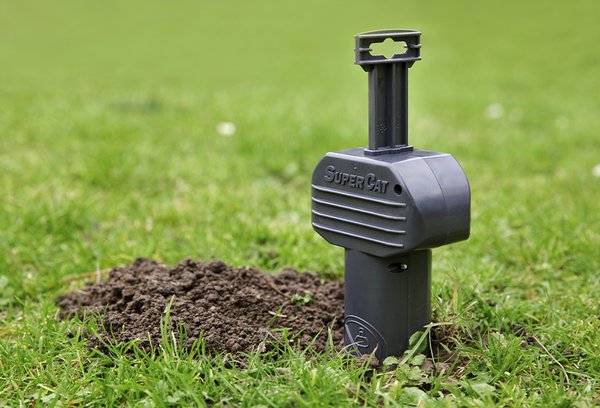
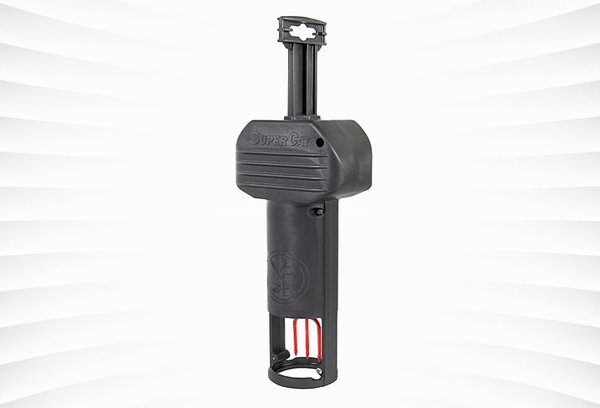
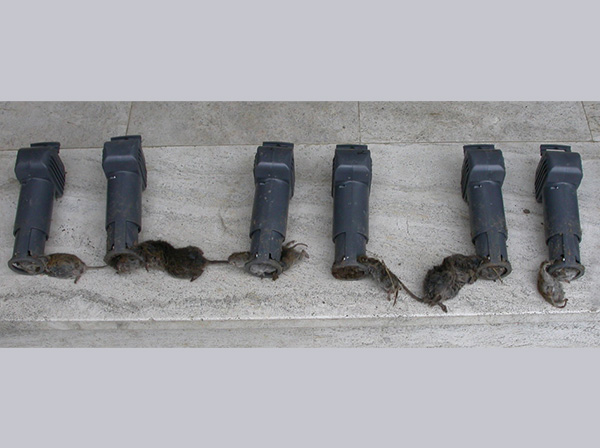
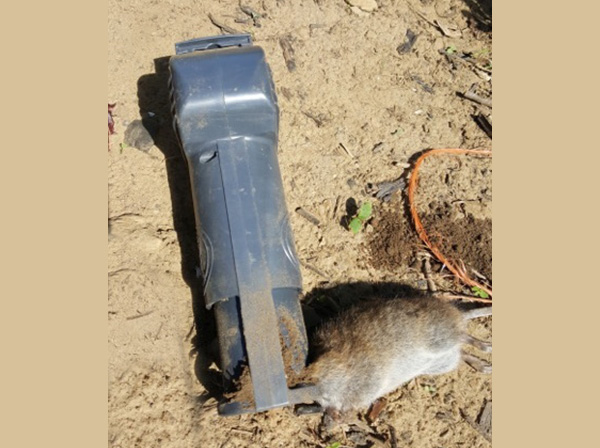
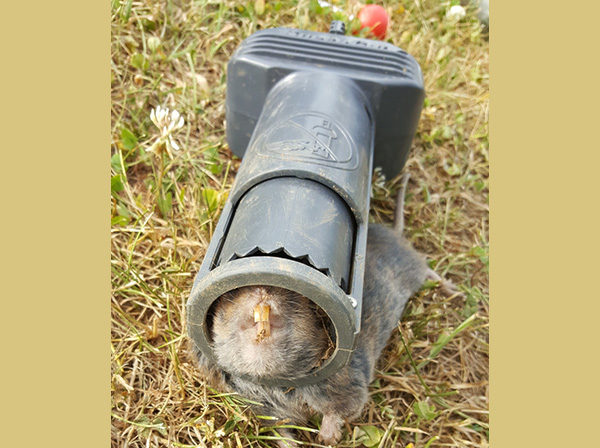
Impact traps are an efficient, sustainable and environmentally friendly method of controlling voles. SWISSINNO even believes that quality traps are the best remedy against voles. The traps are placed in the vole's exit. As soon as a vole tries to run through the trap or presses the trigger, the trap is triggered and the vole is killed. SWISSINNO recommends the Vole Trap PRO SuperCat, which has been tried and tested millions of times. The trap is very easy to use, lasts for many years, catches field voles and voles from both directions and is safe for users and pets.